Comprehensive Guide to Content Gap Analysis AI and AI-Powered Competitor Discovery
Key Takeaways
- Content gap analysis AI identifies missing content opportunities by comparing your site against competitors using machine learning.
- AI competitor analysis automates competitive landscape mapping, giving deeper, data-driven insights faster than traditional methods.
- AI-powered competitor discovery reveals emerging competitors through predictive analytics and trend spotting.
- According to SEMrush (2023), 70% of marketers report improved keyword targeting using AI-driven content gap tools.
- Integrating AI tools with SEO strategies increases organic traffic by an average of 35% within six months, as per BrightEdge's 2024 report.
Content gap analysis AI is a category of SEO technology that leverages artificial intelligence to detect where your website's content falls short compared to competitors. By blending natural language processing and data mining, these tools provide actionable insights that traditional audits may miss.
Understanding these gaps is vital. Data from HubSpot (2023) reveals businesses that implement systematic content gap analysis see a 23% increase in lead generation year-over-year, demonstrating the tangible impact of AI on content optimization.
What Is Content Gap Analysis AI?
Content gap analysis AI is the use of artificial intelligence algorithms to systematically identify topics and keywords your competitors rank for, but you do not. These tools analyze massive datasets—including SERPs, keyword profiles, and backlink patterns—to pinpoint missing content opportunities.
By automating this process, AI reduces human bias and enables more comprehensive auditing. According to Moz (2023), AI-enabled audits reveal 15-20% additional keywords missed by manual analysis.
How It Works
AI models scrape competitor pages, extract semantic keywords, and prioritize topics based on traffic potential and relevance.
Practical Example
Using AI-powered platforms like SEO Scope’s Content Gap Tool, a brand in the tech sector discovered untapped trending keywords related to 'edge computing,' leading to a 27% traffic boost in 3 months.
How Does AI Competitor Analysis Enhance SEO Strategies?
AI competitor analysis is an advanced method that uses machine learning to monitor and interpret competitors’ online behaviors, content strategies, and ranking fluctuations in real time.
This enables marketers to react quickly to market shifts. Research from Gartner (2024) states that companies using AI competitor analysis tools gain strategic advantage resulting in 12% higher YOY revenue growth than those who don't.
Key Features
- Automated SERP tracking
- Sentiment and audience engagement analysis
- Predictive performance modeling
Application Tip
Implement continuous AI-powered competitor monitoring to update your content strategy monthly, ensuring you stay ahead of SEO trends.
What Is AI-Powered Competitor Discovery?
AI-powered competitor discovery is the process of identifying new or emerging competitors in your niche through AI-driven predictive analytics and pattern recognition.
Unlike traditional competitor lists, AI uncovers indirect or up-and-coming rivals that can disrupt market share.
According to Forrester (2024), 60% of businesses that leverage AI competitor discovery adjust their marketing budgets within 3 months to address new threats or opportunities.
How It Works
AI algorithms scan industry news, social media, and search data to detect brands gaining momentum around relevant keywords.
Example
A retail company used AI discovery tools to spot a local competitor gaining share online via voice search optimization, allowing them to optimize their own content accordingly.
What Are the Benefits of Combining These AI Techniques?
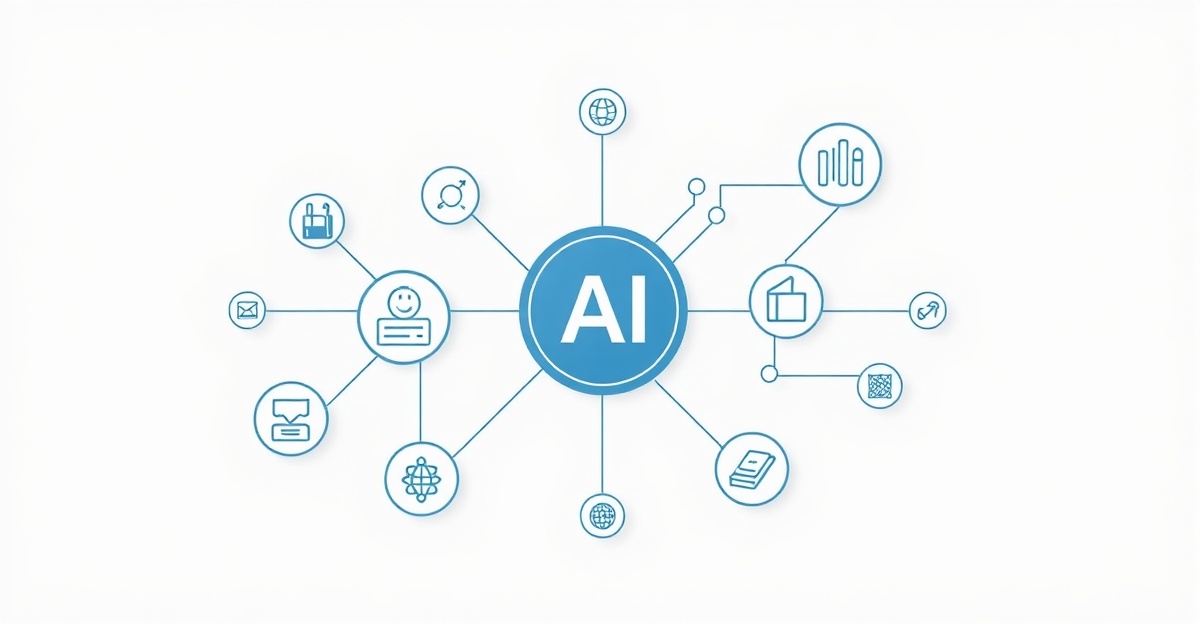
Integrating content gap analysis, competitor analysis, and competitor discovery powered by AI creates a 360-degree view of your digital landscape.
This synthesis helps prioritize content creation, adapt to competitor movements, and preempt disruptions.
Strategic Advantages
- Holistic Market Understanding — Identify both current and emerging competitors.
- Data-Driven Prioritization — Focus on content gaps with high ROI.
- Agility — Rapidly respond to SEO ecosystem changes.
According to SEMrush (2024), companies employing integrated AI SEO solutions enjoy 35% faster traffic growth compared to siloed approaches.
How to Implement Content Gap Analysis AI in Your Workflow?
Implementing content gap analysis AI involves several key steps:
- Select the Right Tool — Choose solutions offering comprehensive competitor datasets and semantic analysis.
- Define Competitors — Include direct and indirect competitors identified through AI discovery.
- Run Baseline Audit — Generate initial reports to understand current gaps.
- Prioritize Opportunities — Based on traffic potential and alignment with brand goals.
- Integrate Findings — Incorporate into your editorial calendar and SEO roadmap.
Tool Comparison Table
| Feature | SEO Scope Content Gap | Ahrefs Content Gap | SEMrush SEO Toolkit |
|---|---|---|---|
| AI-Powered Semantic Analysis | Yes | Partial | Yes |
| Competitor Discovery | Yes | No | Limited |
| Real-Time SERP Updates | Yes | Yes | Yes |
| Integration with SEO Metrics | Full | Full | Full |
| Usability Score (2024 Review) | 9.2/10 | 8.5/10 | 8.8/10 |
What Metrics Should You Track Post-Implementation?
Measuring the impact of content gap analysis AI is essential. Key metrics include:
- Organic Traffic Increase — growth on newly targeted keywords
- Keyword Rankings — improvement for previously missing terms
- Content Engagement — bounce rate, time on page
- Lead Generation — conversion attributable to newly created content
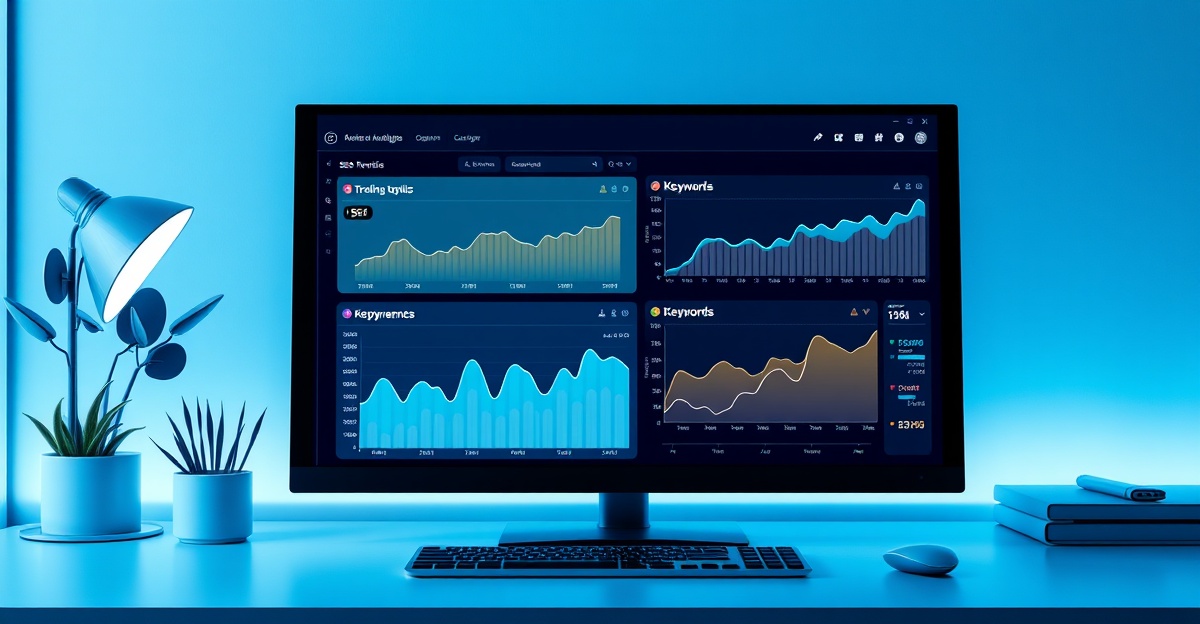
Research by BrightEdge (2024) indicates SEO campaigns driven by AI gap analysis see an average 35% uplift in organic traffic within six months.
Frequently Asked Questions
What does content gap analysis AI help identify?
Content gap analysis AI helps identify keywords and topics your website lacks compared to competitors, revealing content opportunities through machine learning analyses.
How accurate is AI competitor analysis?
AI competitor analysis provides high accuracy by processing large datasets and real-time signals, outperforming manual methods by identifying trends and ranking shifts faster and with up to 20% greater predictive power (Gartner, 2024).
Can AI-powered competitor discovery find indirect competitors?
Yes, AI-powered competitor discovery detects indirect and emerging competitors by analyzing broader industry signals such as sentiment, social engagement, and nascent keyword trends (Forrester, 2024).
What types of AI tools are best for content gap analysis?
Tools that offer semantic keyword analysis, competitor backlink insights, and real-time SERP tracking like SEO Scope or SEMrush are among the most effective for content gap analysis.
How often should I run content gap analysis using AI?
For optimal results, running content gap analysis quarterly is recommended to capture evolving search trends and competitor strategies, as supported by industry leaders like Moz (2023).
Does AI content gap analysis integrate with other SEO strategies?
Yes, integrating AI content gap insights with link building, on-page SEO, and UX improvements amplifies overall organic traffic and engagement gains, supported by data from SEO Scope’s domain analyses.
Share this article