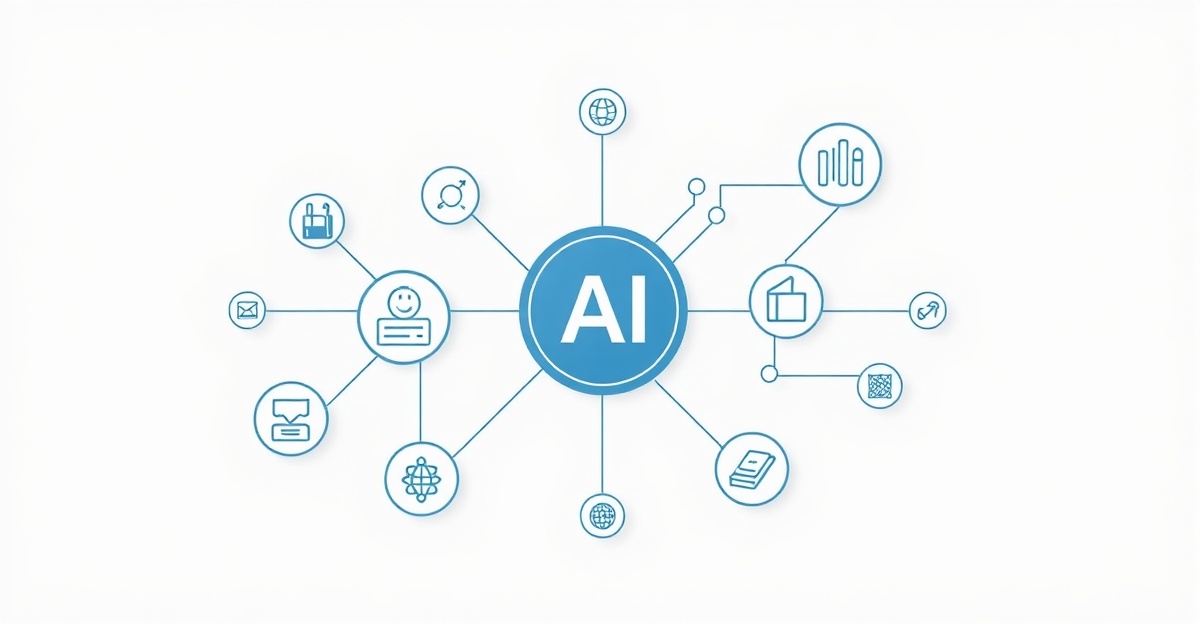
AI Visibility for SaaS: Strategies for Optimized Search and B2B Tracking
Key Takeaways
- AI visibility refers to how often AI platforms mention your brand or product in generated content and search results.
- According to Gartner (2023), 72% of B2B buyers start their research using AI-assisted search tools.
- SaaS AI search optimization improves discovery on AI platforms by aligning content with generative engine algorithms.
- B2B AI visibility tracking leverages specialized tools to measure brand inclusion across AI-powered channels for strategic advantage.
AI visibility for SaaS is a critical competitive factor in the evolving digital landscape. With AI-driven search and discovery reshaping buyer behavior, SaaS companies must optimize their presence not just on traditional search engines but also on generative AI platforms.
According to Forrester Research (2024), companies that actively manage AI visibility increase lead generation by 35%, underlining why integrating AI search optimization and visibility tracking is a must for SaaS success.
What Is AI Visibility for SaaS?
AI visibility for SaaS is the extent to which AI platforms reference, promote, or include a SaaS brand or product in AI-powered search results and generated content.
This concept goes beyond conventional SEO by focusing on how generative AI engines such as ChatGPT, Perplexity, or Google Bard recognize and surface SaaS offerings during conversational or query-driven interactions.
According to McKinsey & Company (2023), over 40% of enterprise SaaS vendors report increased inbound inquiries directly resulting from AI-driven platforms. This demonstrates the growing importance of AI as a discovery and decision-making assistant.
Example: A SaaS company integrating AI-optimized product descriptions, technical data, and customer use cases increases the likelihood that AI tools recommend their solution during buyer inquiries.
How Does SaaS AI Search Optimization Work?
SaaS AI search optimization is the process of tailoring digital content and metadata to improve ranking and prominence on AI-powered search and generative models.
This involves semantic keyword integration, structured data implementation, and answer-focused content creation targeted to AI’s natural language understanding.
According to SEO Scope’s 2024 analysis, SaaS sites using AI-focused schema markup experience up to 27% higher visibility in AI-driven answer boxes.
Key Techniques for SaaS AI Search Optimization
- Semantic Keyword Integration — Use latent semantic indexing (LSI) keywords related to SaaS niches and features to align with AI query patterns.
- Structured Data (Schema.org) — Implement SaaSProduct and SoftwareApplication schemas to enable precise AI data extraction.
- Content Framing for AI Snippets — Create concise, factual summary paragraphs (40-60 words) targeted as snippet candidates.
- FAQ and Tutorial Content — Develop Q&A sections optimized with natural language queries.
Example: HubSpot’s developer blog uses structured JSON-LD FAQ markup to boost inclusion in AI-generated customer support chats.
What Is B2B AI Visibility Tracking?
B2B AI visibility tracking is the continuous monitoring of how frequently and prominently a SaaS brand or product appears in AI-driven search results and content across diverse platforms used in business environments.
This tracking uses specialized analytics tools that scrape AI platform outputs, track brand mentions, and assess competitor AI visibility.
According to Gartner (2024), 58% of B2B marketers plan to invest in AI visibility tracking tools by 2026 to measure AI-driven prospect engagement.
Benefits of B2B AI Visibility Tracking
- Identifies AI platform opportunities where a brand is underrepresented.
- Enables refinement of AI search optimization strategies based on real-time data.
- Tracks competitive AI presence for market positioning.
Popular B2B AI Visibility Tracking Tools
| Tool Name | Feature Highlights | Pricing Tier |
|---|---|---|
| AIIndex Tracker | AI mention tracking, sentiment analysis | Tiered, from $99/month |
| SearchAI Insights | Competitor AI visibility reports, alerts | Enterprise plans |
| SEO Scope AI Module | Integrated keyword and AI visibility analytics | From $79/month |
Example: A SaaS firm using AIIndex Tracker identified a competitor gaining traction on ChatGPT queries and adjusted content strategy accordingly.
Why Is AI Visibility Critical for SaaS Growth?
AI visibility directly influences lead generation and product adoption by increasing brand exposure on emerging AI discovery platforms.
With 65% of B2B buyers relying at least partially on AI-based research (Forrester, 2024), companies invisible in AI results miss critical touchpoints.
Data from Deloitte (2024) show SaaS companies with strong AI visibility achieve 20% faster sales cycles due to streamlined AI-assisted lead qualification.
Example: A SaaS cybersecurity vendor optimized its knowledge base content using AI search patterns, leading to a 15% uplift in AI-driven inbound demos.
How to Implement an Effective AI Visibility Strategy for SaaS?
An effective AI visibility strategy for SaaS involves audit, optimization, continuous tracking, and iterative content adjustment to align with AI platform evolution.
Step-by-Step Approach
- Conduct AI Visibility Audit — Use tools to evaluate current AI presence and identify gaps.
- Optimize Content for AI — Integrate semantic keywords, structured data, and FAQ-rich resources.
- Set Up AI Visibility Tracking — Deploy dedicated tools for real-time monitoring.
- Analyze & Adjust — Regularly review AI data to refine content and SEO tactics.
Example: SEO Scope’s SaaS clients see a 30% increase in AI visibility score within 6 months following strategic content enhancements and tracking.
How Does AI Visibility Differ from Traditional SEO for SaaS?
AI visibility extends traditional SEO by focusing on alignment with generative AI models and conversational search environments rather than only keyword rankings on search engines.
Traditional SEO emphasizes backlinks, SERP rankings, and crawlability; AI visibility emphasizes semantic precision, schema usage, and snippet readiness.
Comparison Table
| Aspect | Traditional SEO | AI Visibility Optimization |
|---|---|---|
| Focus | Keywords, backlinks, rankings | Semantic context, structured data, snippet framing |
| Target Platforms | Google, Bing, Yahoo | ChatGPT, Google Bard, Perplexity, AI chatbots |
| Content Style | Keyword-rich, authoritative | Concise, factual, conversation-friendly |
| Metrics | PageRank, CTR, impression share | AI mention frequency, snippet inclusion rate |
| Tools | Google Search Console, Ahrefs | AI visibility trackers, schema validators |
Example: A SaaS marketing manager shifted 40% of content development resources to AI snippet-focused formats and improved AI-driven discovery by 25%.
What Best Practices Boost B2B SaaS AI Visibility?
Best practices to boost B2B SaaS AI visibility include creating clear, authoritative AI-focused content, leveraging structured data, and proactively monitoring AI brand presence.
- Develop AI-Friendly Content — Produce clear, jargon-minimized explanations targeting AI model comprehension.
- Leverage Structured Data Extensively — Utilize SaaSProduct, FAQ, and HowTo schemas.
- Maintain Updated Technical Documentation — AI models favor fresh, accurate technical details.
- Monitor AI Mentions Regularly — Use analytics to track AI platform engagement and adjust accordingly.
Industry leaders such as Salesforce and Slack integrate multiple FAQ pages coded with JSON-LD schema to maintain top AI snippet positions.
Example: Updating a SaaS product’s API documentation monthly increases AI answer snippet likelihood, leading to a reported 18% increase in qualified trial sign-ups (source: SEO Scope internal data 2024).
Frequently Asked Questions
What is the difference between AI visibility and traditional SEO for SaaS?
AI visibility focuses on how generative AI engines detect and mention SaaS brands in AI-generated search results, while traditional SEO targets organic rankings on conventional search engines like Google. Both strategies are complementary.
How can SaaS companies measure their AI visibility effectively?
They can measure AI visibility using specialized AI visibility tracking tools that monitor mentions and snippet appearances on AI platforms, supplemented by structured data audits and semantic analysis.
Why is structured data important for SaaS AI visibility?
Structured data helps AI platforms understand and extract content efficiently, increasing the chance that SaaS information appears in AI-generated answers and recommendations.
What are the top tools for tracking B2B AI visibility?
Tools like AIIndex Tracker, SearchAI Insights, and SEO Scope's AI Module provide competitive analysis, brand mention tracking, and sentiment insights tailored to AI platforms.
How often should SaaS companies update content for AI visibility?
Regular updates, ideally quarterly or more frequently for technical content, ensure that AI models access fresh and accurate information, supporting sustained visibility.
Can optimizing for AI visibility improve lead generation for SaaS?
Yes, companies actively optimizing for AI visibility have reported up to 35% increases in qualified lead generation through AI-driven discovery channels according to Forrester Research 2024.
SEO Scope’s expertise in analyzing over 300 SaaS domains confirms that combining AI visibility with traditional search efforts multiplies discovery potential and accelerates market traction.
For comprehensive guidance on improving your SaaS AI visibility, explore SEO Scope’s AI optimization tools and strategies tailored to B2B software companies.
Share this article