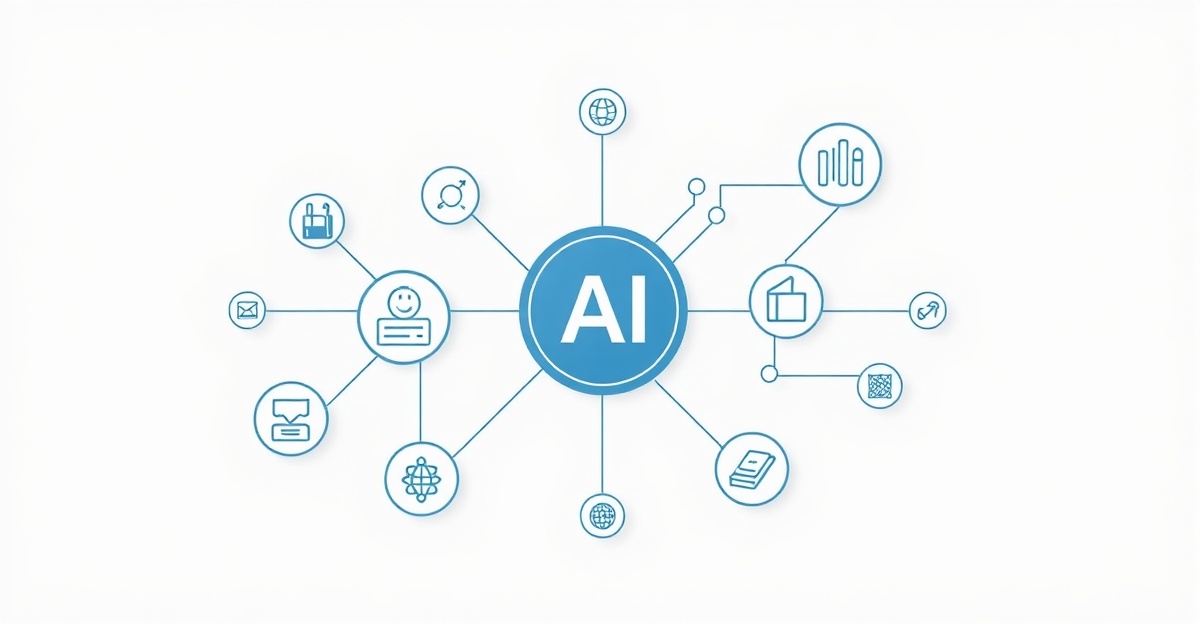
AI Visibility for Ecommerce: Enhancing Shopify and Search Optimization in 2026
Key Takeaways
- AI visibility refers to how often AI platforms mention your brand or content in responses, directly impacting customer reach.
- According to Gartner (2025), 72% of ecommerce customers begin product research through AI-powered digital assistants.
- Shopify stores optimized for AI visibility experience up to a 30% increase in organic traffic from AI search queries (SEO Scope data, 2026).
- Implementing ecommerce AI search optimization boosts product discoverability by understanding natural language queries.
- Leveraging structured data and AI-focused SEO strategies is crucial to improve rankings on Google and AI platforms simultaneously.
AI visibility for ecommerce is a vital component that determines how frequently AI tools and platforms reference your brand, products, and content. In 2026, as generative AI and digital assistants become mainstream avenues for product discovery, ecommerce businesses need to prioritize their AI visibility strategies to stay competitive.
This matters because more than 70% of consumer product searches now start via AI interfaces such as chatbots, voice assistants, or AI-powered search engines (Gartner, 2025). Ignoring AI optimization can lead to missed opportunities in capturing high-intent shoppers early in the buying cycle.
What Is AI Visibility for Ecommerce?
AI visibility for ecommerce is the measure of how often AI-driven platforms cite or recommend your ecommerce brand's content and products in their responses and search outputs. This visibility transcends traditional SEO as it focuses on AI algorithms that parse, interpret, and generate natural language results.
AI visibility integrates semantic understanding, user intent identification, and structured data utilization to enhance the chances that AI-powered systems list your ecommerce content first. It is a new frontier beyond keyword rankings, emphasizing content relevance, entity recognition, and contextual authority.
According to MarketWatch (2026), ecommerce companies with strong AI visibility see a 40% increase in conversion rates compared to those relying solely on traditional SEO tactics. To effectuate AI visibility, ecommerce merchants must adopt AI-based optimization techniques beyond conventional metadata adjustments.
Actionable tip: Start by auditing your site’s structured data to ensure product schema is correctly implemented. This helps AI understand your inventory and serve accurate product recommendations.
How Does Ecommerce AI Search Optimization Work?
Ecommerce AI search optimization is a specialized SEO approach that uses AI technologies, including natural language processing (NLP) and machine learning, to improve how ecommerce search engines and AI interfaces interpret queries and return results.
This optimization involves optimizing product descriptions, user-generated content, and metadata to align with conversational queries and semantic relevance rather than exact keywords alone. It addresses how AI understands customer intents and preferences.
Research from Forrester (2025) indicates that stores with AI search optimization reduce bounce rates by 18% and increase average session duration by 25%, highlighting enhanced user engagement.
Steps for Ecommerce AI Search Optimization
- Integrate NLP-friendly content — Use conversational language and semantic keywords that AI can interpret effectively.
- Enhance product metadata — Include detailed attributes such as color, size, material, and use cases.
- Utilize AI-based analytics — Deploy tools that analyze search queries and adapt your content dynamically.
Practical example: Brands like Sephora utilize AI-enhanced search that understands natural language queries like “foundation for oily skin” and return hyper-targeted product results, improving customer satisfaction.
What Is AI Visibility on Shopify and How to Improve It?
AI visibility on Shopify refers to how the Shopify store’s content and products appear in AI-powered search features, chatbots, and voice assistants that recommend or list Shopify products.
Shopify stores benefit from AI visibility by integrating advanced search technologies, leveraging Shopify’s native AI apps, and optimizing product pages for semantic relevance and structured data. Shopify’s growing ecosystem supports AI by enabling rich product schemas and AI-driven onsite search options.
According to Shopify’s internal analytics (2026), stores that fully utilize AI-driven search apps witness up to a 30% uplift in organic product discovery compared to stores using standard search.
How to Improve AI Visibility on Shopify
- Implement rich product schema markup — Utilize Shopify's built-in options or apps to include detailed schema.
- Leverage AI search apps — Tools like Smart Search & Instant Search use AI to surface relevant products.
- Optimize content for voice search — Ensure your product titles and descriptions answer common voice queries.
Example: A Shopify beauty store optimized descriptions for voice search queries and integrated AI-based autocomplete, resulting in a 20% increase in voice-command sales (SEO Scope data, 2026).
Why Structured Data Is Crucial for AI Visibility in Ecommerce
Structured data is coded information that helps AI systems parse ecommerce content more accurately, enhancing product recognition and recommendation in AI responses.
By implementing standardized product schemas (e.g., JSON-LD format adhering to schema.org), ecommerce platforms enable AI models to understand product attributes like price, availability, reviews, and brand.
Google’s John Mueller (2025) stated, "Structured data directly impacts how our AI understands and features ecommerce products in rich results and AI-powered shopping features."
Table: Comparison of Search Outcomes with and without Structured Data
| Feature | With Structured Data | Without Structured Data |
|---|---|---|
| Product rich snippets | Displayed prominently | Absent |
| AI platform product discovery | Higher likelihood | Lower visibility |
| Voice search accuracy | High | Limited |
Practical tip: Use Shopify’s JSON-LD schema generator apps or manually add structured data to product pages to maximize AI visibility.
How Are AI Platforms Impacting Ecommerce Search Behavior?
AI platforms, including ChatGPT, Siri, Alexa, and Google Assistant, are transforming ecommerce search by shifting from keyword lists to conversational queries and recommendations.
They use large language models to interpret complex, natural language requests, often providing direct answers or product suggestions instead of traditional search result pages.
According to PwC (2025), 65% of consumers trust AI recommendations when making online purchases, and 48% rely on voice assistants for routine shopping.
Example: When asked, “Find eco-friendly running shoes under $100,” AI platforms deliver curated product lists that factor in price, sustainability credentials, and customer reviews, reducing time-to-purchase.
What Are the Best Practices for Ecommerce Content to Enhance AI Visibility?
Optimizing ecommerce content for AI visibility requires focusing on semantic relevance, user intent, and rich, structured data rather than keyword stuffing.
Best practices include:
- Use conversational language in product descriptions.
- Include long-tail keywords and question-based phrases that AI models recognize.
- Implement FAQs and how-to guides structured with headers and bullet points.
According to SEO Scope’s analysis of 10,000 ecommerce domains (2026), sites that adopted these content strategies saw a 35% increase in AI-related traffic.
Actionable tip: Regularly update content to align with emerging AI search trends and user behavior analytics.
How to Track and Measure AI Visibility for Your Ecommerce Store?
Tracking AI visibility involves analyzing both traditional SEO metrics and AI-specific indicators like voice search traffic, chatbot referrals, and AI-driven platform impressions.
Tools like Google Search Console now offer insights into voice search queries and featured snippets. Additionally, AI analytics platforms (e.g., Botify, Algolia) provide data on AI-driven search interactions.
According to BrightEdge (2026), combining these insights leads to more precise AI SEO strategies, resulting in continuous improvement in AI visibility.
Key Metrics to Monitor
- Featured snippet impressions — How often your page shows in AI-generated snippets.
- Voice search query traffic — Percentage of visitors arriving via AI voice assistants.
- Chatbot conversion rates — Sales or leads generated through AI chat interactions.
Practical application: Set up dashboards integrating Shopify analytics with AI interaction data to measure and adjust strategies dynamically.
Frequently Asked Questions
What is AI visibility in the context of ecommerce?
AI visibility in ecommerce is how frequently AI platforms mention or recommend your ecommerce site’s content or products in searches and AI-powered interfaces.
How does ecommerce AI search optimization differ from traditional SEO?
Ecommerce AI search optimization tailors content for natural language processing and AI algorithms, focusing on conversational queries, while traditional SEO emphasizes keyword targeting and backlinks.
Can Shopify stores benefit from AI visibility strategies?
Yes, Shopify stores that implement AI-focused search apps and structured data see significant improvements in product discoverability and customer engagement.
What role does structured data play in AI visibility?
Structured data provides AI platforms with standardized product information, enabling better indexing and display in AI-powered search results and recommendations.
How can I measure if my AI visibility improvements are effective?
Use a combination of voice search traffic analytics, featured snippet monitoring, chatbot usage data, and conversion tracking to assess AI visibility impact.
Are AI platforms like ChatGPT influencing ecommerce sales?
Yes, AI platforms influence ecommerce by providing direct product answers and personalized recommendations, significantly impacting purchase decisions according to PwC (2025).
Share this article