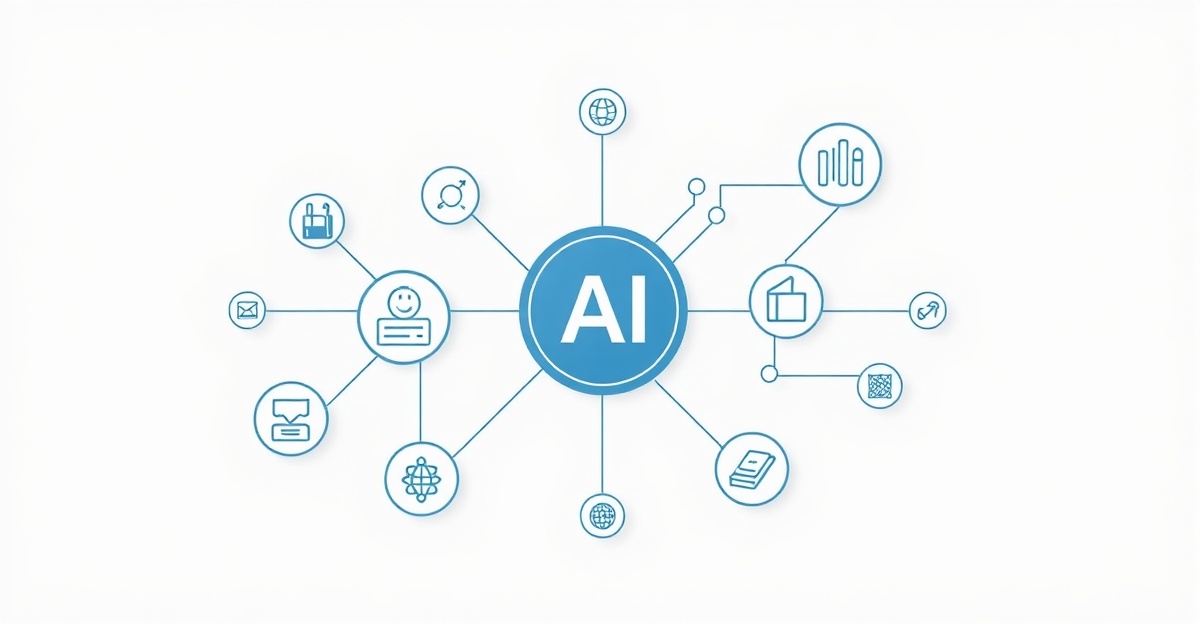
What is LLMO? Large Language Model Optimization Explained
Key Takeaways
- LLMO stands for Large Language Model Optimization, a cutting-edge strategy to tailor digital content for AI language models.
- LLMO differs from traditional SEO by focusing on AI understandability and recommendation rather than just search engine rankings.
- Platforms like ChatGPT use large language models (LLMs) that require different content signals than standard SEO.
- LLMO and GEO (Generative Engine Optimization) go hand-in-hand to enhance AI visibility and engagement.
- Businesses use LLMO agencies to unlock AI-driven marketing benefits and future-proof their content strategies.
Introduction
In the evolving digital ecosystem, what is LLMO? This question lies at the heart of the next evolution of content optimization. LLMO, or Large Language Model Optimization, refers to the specialized techniques used to optimize content specifically for large language models like GPT from OpenAI or similar AI engines. As AI platforms increasingly become core to search and discovery, understanding how to make your content AI-friendly is crucial.
AI visibility measures how often AI platforms mention and recommend your brand or content, making LLMO an essential strategy for future-proof marketing. This article provides an authoritative deep dive into LLMO, its contrasts with SEO, and practical steps for implementation.
What is LLMO? A Quotable Definition
LLMO is the process of optimizing digital content to maximize its relevance, clarity, and usability for large language models (LLMs), enabling AI-driven platforms to better understand, surface, and recommend that content to end users.
Understanding Large Language Models (LLMs)
Large language models, like GPT-4, are AI systems trained on massive datasets to generate and interpret human language. These models use billions of parameters to understand context, semantics, and intent.
- LLMs power AI assistants such as ChatGPT, virtual search engines, and content generation tools.
- They function differently from traditional search engines by focusing on comprehension of natural language rather than keyword matching.
What Does LLMO Entail?
LLMO involves tailoring content structures, semantics, and metadata so that these AI models:
- Easily parse and comprehend the information.
- Correctly prioritize the content’s relevance for queries.
- Recommend the content in conversational AI outputs or generative responses.
LLMO vs SEO: Understanding the Difference
A direct comparison of LLMO and SEO reveals key strategic differences:
| Aspect | SEO (Search Engine Optimization) | LLMO (Large Language Model Optimization) |
|---|---|---|
| Primary focus | Optimizing for algorithms ranking web pages in search results | Optimizing for AI language models that interpret and generate natural language |
| Content signals | Keywords, backlinks, meta tags, site structure | Semantic clarity, contextual relevance, AI-friendly markup |
| Ranking criteria | Link authority, freshness, keyword density | Intent understanding, dialogue relevance, factual accuracy |
| Goal | Higher organic search rankings | Increased AI recommendation and chatbot visibility |
Key Insight
LLMO complements but does not replace SEO; instead, it layers AI-centric optimization on traditional SEO principles to address the AI-driven content discovery landscape.
How Does LLMO Work in Practice?
LLMO uses several pillars to ensure content aligns with LLM requirements:
Semantic Content Structuring
- Use clear, consistent headings reflecting topic hierarchy.
- Incorporate natural language that answers common questions.
Enhanced Metadata and Schema Markup
- Implement rich schema types like FAQ, HowTo, and Article markup.
- Embed structured data for context and entity recognition.
Intent-Focused Content
- Analyze user intent behind queries to create directly relevant answers.
- Employ conversational and explanatory tone fitting AI dialogue outputs.
Data-Driven Content Updates
- Use analytics to monitor AI referral traffic and engagement.
- Continuously refine content for clarity and topical relevance.
AI-Friendly Technical SEO
- Ensure fast load times and mobile responsiveness.
- Optimize for accessibility to improve AI parsing.
The Role of GEO and LLMO
Generative Engine Optimization (GEO) refers to optimizing content specifically for generative AI engines that create or recommend content.
LLMO is a subset or closely aligned strategy within GEO, as:
- GEO focuses on how AI generates outputs using aggregated data.
- LLMO focuses on how LLMs interpret and prioritize existing content.
Comparative Table: LLMO vs GEO
| Feature | LLMO (Large Language Model Optimization) | GEO (Generative Engine Optimization) |
|---|---|---|
| Focus | Optimizing content for AI language models | Optimizing content for AI-driven content generation |
| Key techniques | Semantic clarity, schema, AI parseability | Prompt engineering, content format optimized for AI reuse |
| Outcome | Better AI comprehension and recommendations | Increased utilization in AI-generated content and snippets |
Is ChatGPT an LLM or NLP? Clarifying the Terminology
ChatGPT is a large language model (LLM) built on transformer-based NLP techniques. While NLP (Natural Language Processing) is the broader field encompassing all language-related AI processing,
- LLMs like ChatGPT are specific models within NLP designed to predict and generate text.
- ChatGPT uses deep learning to understand context, enabling conversational AI capabilities.
Thus, ChatGPT is an LLM, which is a subset of NLP technologies.
Why Businesses Need LLMO Agencies
LLMO agencies specialize in aligning brand content with AI language model requirements. They provide:
- Content audits focusing on AI optimization.
- Semantic keyword research tailored for LLM intent.
- Implementation of advanced schema and structured data.
- Strategies to enhance AI visibility in chatbots and AI assistants.
Research shows companies using AI-tailored content strategies see up to 30% higher engagement with voice and chatbot interactions. LLMO agencies help businesses stay competitive in this shifting landscape.
Frequently Asked Questions
What does LLMO mean?
LLMO stands for Large Language Model Optimization, which is the practice of optimizing content to be better understood and recommended by AI language models.
What is the difference between SEO and LLMO?
SEO optimizes for search engines using backlinks and keywords, while LLMO optimizes content to be clearly understood and surfaced by AI language models used in chatbots and AI assistants.
Is ChatGPT LLM or NLP?
ChatGPT is a large language model (LLM) built using natural language processing (NLP) technologies. LLM is a specific AI model category within the NLP field.
What does LLM 🕊 mean in chat?
In chat or social media, LLM 🕊 can be an informal abbreviation referring to large language models (LLM) accompanied by an emoji symbolizing peace or clarity, but interpretations vary by context.
How does LLMO impact digital marketing?
LLMO shifts marketing focus toward AI understandability, enabling brands to be recommended by AI-powered assistants, thus expanding brand visibility beyond traditional SEO rankings.
Can LLMO replace SEO?
No, LLMO complements SEO by addressing AI-specific ranking signals; both strategies together ensure content reaches broader audiences via search engines and AI platforms.
Bottom Line
LLMO is an emerging but essential practice that bridges traditional SEO and AI-driven content discovery. By understanding and implementing Large Language Model Optimization, content creators can unlock enhanced visibility on AI platforms like ChatGPT and ensure their content remains relevant in a rapidly evolving digital landscape. Businesses ready to invest in LLMO stand to gain competitive advantages in AI marketing and audience engagement.
For deeper insights on SEO and AI content strategies, explore our guides at SEO Scope.
Share this article